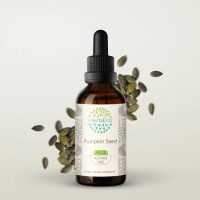
Pumpkin Seed Tincture Label Terms: Cucurbita Pepo, Pepita, and Dried Seed Explained
Pumpkin Seed Tincture Label Terms can look simple until you compare several product pages. One listing may say pumpkin seed extract. Another may say Cucurbita pepo L. dried seed. Another may mention pepita, Nan Gua Zi, Kushmanda, glycerite, liquid extract, alcohol-free drops, or seed oil. These words do not always describe the same product format.
The key is to separate the plant identity from the plant part and the product format. “Pumpkin” can refer to the fruit, seed, oil, powder, or extract. HerbEra’s pumpkin seed liquid extract context is a useful example of why label wording matters: a product made from dried pumpkin seed is not automatically the same as pumpkin fruit, pumpkin seed oil, or a pumpkin spice blend.
This guide explains the terms you may see on pumpkin seed tincture labels, how to read botanical names, what dried seed means, and how to avoid confusing seed extract with oil, capsules, or food products.
What Are Pumpkin Seed Tincture Label Terms?
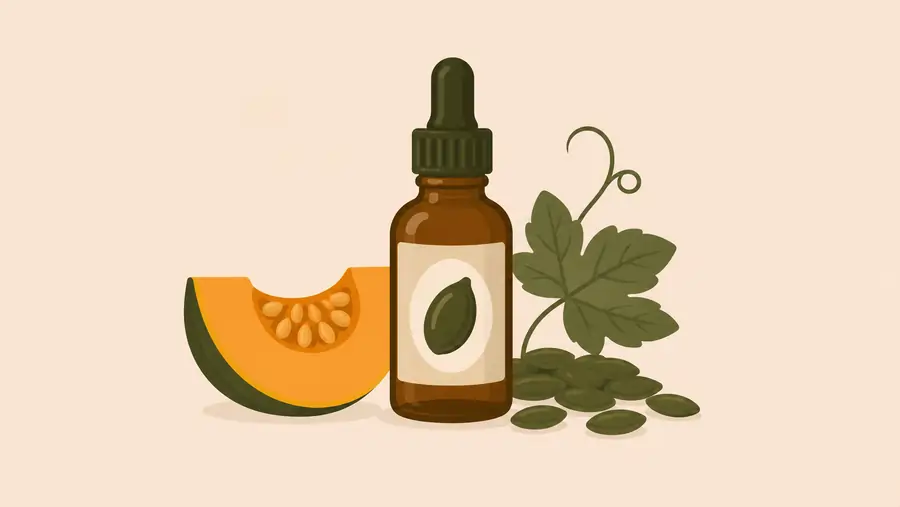
Pumpkin seed tincture label terms are the words used to identify the plant, plant part, product form, liquid base, and serving directions. These terms tell you whether you are buying a seed extract, glycerite, oil, powder, capsule, or another format.
The most important terms to check are pumpkin seed, Cucurbita pepo, dried seed, liquid extract, alcohol-free, glycerin, water, oil, capsule, serving size, suggested use, and Supplement Facts.
The practical answer
If the label says Cucurbita pepo dried seed liquid extract, it points to a pumpkin seed extract format. If it says pumpkin seed oil, it points to a pressed oil format. If it says pumpkin fruit, pumpkin powder, or pumpkin spice, that is a different product identity.
Do not compare products by the word “pumpkin” alone. Read the full label phrase.
What Does Cucurbita Pepo Mean?
Cucurbita pepo is a botanical name used for a pumpkin and squash species. In supplement labels, it helps identify the plant more precisely than the common word pumpkin.
Botanical names matter because common names can vary by country, marketplace, and tradition. The same ingredient may appear as pumpkin seed, Cucurbita pepo seed, Cucurbita pepo L. seed, pepita, or other regional names.
How to read the name
In Cucurbita pepo, Cucurbita is the genus and pepo is the species. The “L.” sometimes appears after the name because it refers to the botanical authority who formally described the species.
For a supplement buyer, the main point is simple: Cucurbita pepo is a more specific plant identity than “pumpkin.”
What Does Pepita Mean on a Label?
Pepita usually means pumpkin seed. In food and supplement contexts, pepitas are often hulled pumpkin seeds. The term may appear in product descriptions, ingredient lists, or alternative-name sections.
Pepita does not automatically tell you whether the product is a tincture, oil, powder, capsule, or food seed. It only points to the seed identity.
Pepita vs pumpkin seed
For most label-reading purposes, pepita and pumpkin seed are closely related terms. Still, you should check whether the product uses whole seed, hulled seed, dried seed, seed oil, or seed extract.
The format matters more than the name variation.
What Does Dried Seed Mean?
Dried seed means the seed material was dried before being used in the product. In a pumpkin seed tincture or liquid extract, dried seed wording tells you the plant part is seed, not fruit, leaf, vine, flower, or oil.
Dried seed is especially useful wording because pumpkin products can refer to many plant-derived materials. A dried seed extract is not the same as pumpkin puree, pumpkin fruit powder, or pressed seed oil.
Why plant part matters
The plant part tells you what was used. “Pumpkin seed” is more specific than “pumpkin.” “Dried seed” is more specific than “pumpkin extract.”
If the plant part is missing, ask the seller whether the product is made from seed, oil, fruit, or another part.
Common Pumpkin Seed Tincture Label Terms
Use this table to decode common terms before buying a pumpkin seed tincture, extract, oil, or capsule.
| Label term | Plain meaning | What to verify |
|---|---|---|
| Pumpkin seed | The seed of the pumpkin plant | Whether it is extract, oil, powder, or capsule |
| Cucurbita pepo | Botanical name for a pumpkin or squash species | Plant part and product form |
| Cucurbita pepo L. | Botanical name with authority abbreviation | Whether the label says seed, fruit, or oil |
| Pepita | Pumpkin seed, often hulled seed in food contexts | Whether it means seed material or oil |
| Dried seed | Seed material dried before use | Whether it is powder or liquid extract |
| Liquid extract | Plant material extracted into a liquid base | Alcohol, glycerin, water, or another base |
| Glycerite | Alcohol-free extract using glycerin | Vegetable glycerin and water wording |
| Pumpkin seed oil | Pressed oil from pumpkin seeds | Oil format, not tincture format |
The clearest labels combine plant identity, plant part, format, and base. Vague labels force the shopper to guess.
Is Pumpkin Seed the Same as Pumpkin Fruit?
No. Pumpkin seed and pumpkin fruit are different plant parts. Pumpkin seed refers to the seed inside the fruit. Pumpkin fruit refers to the fleshy part people cook, puree, roast, or use in foods.
A pumpkin seed tincture label should make it clear that the product uses seed. If the label says only pumpkin extract, you need more detail.
Why this matters
Seed, fruit, oil, and powder are not interchangeable label terms. They may come from the same plant, but they are different materials.
If you intend to buy pumpkin seed extract, do not choose a product that only says pumpkin fruit or pumpkin powder unless that is what you actually want.
Is Pumpkin Seed Extract the Same as Pumpkin Seed Oil?
No. Pumpkin seed extract and pumpkin seed oil are different formats. A pumpkin seed extract is made by extracting seed material into a liquid or dry preparation. Pumpkin seed oil is a pressed oil from the seed.
This is one of the most common shopping mistakes. A dropper bottle can contain oil drops, tincture drops, glycerite, or another liquid extract. Packaging does not prove the format.
Quick difference
Extract means a preparation made by extraction. Oil means pressed seed oil. Glycerite means an alcohol-free liquid extract using glycerin as a carrier.
Read the base ingredients before deciding what the product is.
Seed Extract, Oil, Glycerite, and Capsules Compared
Pumpkin seed products can use similar plant wording but different delivery forms. The table below separates the formats.
| Product type | What it usually means | Best label clue |
|---|---|---|
| Pumpkin seed tincture | Liquid seed extract, traditionally alcohol-based unless stated otherwise | Alcohol, ethanol, drops, liquid extract |
| Alcohol-free extract | Liquid extract made without alcohol as the main base | Alcohol-free, glycerin, water |
| Glycerite | Alcohol-free extract with glycerin as a major carrier | Vegetable glycerin or glycerin |
| Pumpkin seed oil | Pressed oil from pumpkin seeds | Seed oil, cold-pressed, softgel, oil drops |
| Pumpkin seed capsule | Powder, extract powder, oil softgel, or blend | Capsule type and Supplement Facts |
| Pumpkin seed powder | Ground seed material | Powder, flour, ground seed |
When product pages feel similar, compare format first. Then compare serving and ingredients.
What Are Nan Gua Zi and Kushmanda?
Nan Gua Zi and Kushmanda are traditional-name terms that may appear in alternative-name lists for pumpkin seed or pumpkin-related materials. These names can help connect products across different herbal traditions, but they do not replace the need for botanical and plant-part wording.
A product description may list many synonyms to improve search visibility. That does not mean every synonym explains the exact format inside the bottle.
Use traditional names carefully
Traditional names can be useful clues, but they may be broad, translated, or context-dependent. Always check whether the current product says seed, dried seed, oil, fruit, extract, or powder.
If the label includes traditional names but no clear plant part, ask the seller for clarification.
What Does Alcohol-Free Mean on a Pumpkin Seed Tincture Label?
Alcohol-free means alcohol is not the main carrier in the liquid extract. It does not automatically tell you what carrier is used instead. Many alcohol-free liquid extracts use glycerin and water.
If a pumpkin seed tincture is alcohol-free and lists vegetable glycerin, it may be best understood as a glycerite-style extract.
What to check next
After you see alcohol-free, look for vegetable glycerin, glycerin, purified water, liquid extract, glycerite, serving size, and suggested use.
HerbEra’s alcohol-free dried-seed extract wording is a reminder that “alcohol-free” should be paired with the plant part and carrier ingredients to understand the product.
Why Sweet Taste Does Not Always Mean Added Sugar
An alcohol-free pumpkin seed tincture may taste sweet because vegetable glycerin has a naturally sweet taste. That does not automatically mean the product contains added sugar.
To confirm, read the ingredient list. Look for sugar, cane sugar, syrup, honey, sweetener, flavoring, glycerin, vegetable glycerin, and Supplement Facts sugar information where available.
Label check for sweetness
If the product lists glycerin but not added sugar, the sweetness may come from the carrier. If the label lists sweeteners, then the sweetness may come from added ingredients.
Ask the brand if sugar status matters to you and the label is unclear.
How to Compare Two Pumpkin Seed Tincture Labels
When comparing two labels, start with four questions: What plant is used? What plant part is used? What format is it? What is the liquid base?
A strong label might say Cucurbita pepo L. dried seed alcohol-free liquid extract with vegetable glycerin and purified water. A weaker label might say pumpkin drops without explaining seed, oil, alcohol status, or base.
Best comparison order
First compare botanical name. Then compare plant part. Then compare format. Then compare liquid base. Then compare serving directions and warnings.
This order prevents you from treating seed extract, seed oil, and pumpkin fruit products as the same thing.
What Label Red Flags Should You Notice?
Red flags include no plant part, no botanical name, no Supplement Facts image, no serving size, unclear alcohol status, unclear carrier, conflicting oil and extract wording, broad medical claims, missing expiration date, missing lot number, or damaged packaging.
Also be cautious when a listing uses many synonyms but never says whether the product is seed, oil, fruit, powder, or extract.
Avoid medical-claim shortcuts
Pumpkin seed tincture, glycerite, oil, capsules, or powder should not be used to treat, cure, prevent, diagnose, reverse, detox, cleanse, flush, or manage any health condition.
If you are pregnant, nursing, taking medication, managing a medical condition, preparing for surgery, buying for a child, or using multiple supplements, ask a qualified healthcare professional before use.
Questions to Ask a Seller Before Buying
Ask direct questions if the label is unclear. A useful answer should identify the plant, plant part, format, base, and serving directions.
Do not ask only whether it is pumpkin. Ask what kind of pumpkin ingredient is used and how the product is made.
Useful questions
Ask: “Is this product made from Cucurbita pepo seed?” Ask: “Is the plant part dried seed?” Ask: “Is this a glycerite, alcohol-free liquid extract, oil, or capsule?” Ask: “Does the sweet taste come from glycerin or added sugar?”
If the answer is vague, wait before buying.
Checklist: How to Read Pumpkin Seed Tincture Label Terms
Use this checklist when comparing pumpkin seed tincture labels, marketplace listings, and supplement bottles. It helps you confirm plant identity, plant part, format, base, and serving details.
Find the botanical name
Look for Cucurbita pepo or Cucurbita pepo L. This gives a more precise plant identity than the common word pumpkin.
Confirm the plant part
Look for seed, dried seed, pepita, seed extract, or seed oil. Do not assume pumpkin means seed.
Separate seed from fruit
Pumpkin seed and pumpkin fruit are different plant parts. Choose the one that matches the product you intended to buy.
Separate extract from oil
Liquid extract, tincture, glycerite, and oil are not the same. Check whether the product uses glycerin, water, alcohol, or oil.
Check alcohol-free wording
If the label says alcohol-free, confirm what carrier replaces alcohol. Look for glycerin, vegetable glycerin, or purified water.
Review serving directions
Check whether the serving is measured in drops, droppers, milliliters, capsules, softgels, teaspoons, or milligrams.
Scan for vague synonym lists
Alternative names can be helpful, but they do not replace plant part and format details. Ask if the listing is unclear.
Check warning and quality details
Look for warnings, storage directions, expiration date, lot number, safety seal, and product condition before use.
FAQ
What does Cucurbita pepo mean on a pumpkin seed tincture label?
Cucurbita pepo is a botanical name used for a pumpkin or squash species. It identifies the plant more precisely than the word pumpkin.
What does Cucurbita pepo L. mean?
The “L.” is a botanical authority abbreviation. For shoppers, the key detail is still the plant name and plant part.
Is pepita the same as pumpkin seed?
Pepita usually means pumpkin seed, often hulled pumpkin seed in food contexts. Check the product format before buying.
What does dried seed mean?
Dried seed means the seed material was dried before use. It helps distinguish seed products from fruit or oil products.
Is pumpkin seed tincture the same as pumpkin seed oil?
No. Pumpkin seed tincture is a liquid extract. Pumpkin seed oil is pressed oil from pumpkin seeds.
Is alcohol-free pumpkin seed tincture a glycerite?
It may be if it uses glycerin as a major carrier. Check the ingredients for vegetable glycerin and water.
Does sweet taste mean added sugar?
Not always. Glycerin can taste naturally sweet. Check the ingredient list for added sugar or sweeteners.
What is the safest way to compare labels?
Compare botanical name, plant part, format, liquid base, serving directions, warnings, lot number, and expiration date.
What should I ask if the label is vague?
Ask whether the product is seed extract, seed oil, glycerite, powder, capsule, or another format, and what plant part is used.
Glossary
Pumpkin seed tincture
A liquid extract made from pumpkin seed, traditionally alcohol-based unless the label says alcohol-free or lists another carrier.
Cucurbita pepo
A botanical name commonly used for pumpkin and related squash plants in supplement labels.
Cucurbita pepo L.
The botanical name with an authority abbreviation. It helps identify the plant more precisely.
Pepita
A term commonly used for pumpkin seed, especially hulled pumpkin seed in food contexts.
Dried seed
Seed material that has been dried before use in an extract, powder, capsule, or other preparation.
Glycerite
An alcohol-free liquid extract that uses glycerin as a major carrier.
Liquid extract
A liquid preparation made by extracting plant material into a carrier such as alcohol, glycerin, or water.
Pumpkin seed oil
A pressed oil made from pumpkin seeds. It is different from a tincture or glycerite.
Plant part
The specific part of the plant used in a product, such as seed, fruit, leaf, root, or flower.
Supplement Facts
The label panel that lists serving size, dietary ingredients, and amounts per serving for a supplement.
Conclusion
Pumpkin Seed Tincture Label Terms are easiest to read when you separate plant identity, plant part, format, and base. Look for Cucurbita pepo, dried seed, glycerin, water, oil, and serving directions before assuming two pumpkin seed products are the same.
Sources Used
Example product terminology listing pumpkin seed extract alternative names, Pumpkin Seed Glycerite Product Page – Hawaii Pharm
Example marketplace wording for Cucurbita pepo dried seed and alcohol-free liquid extract, Pumpkin Seed Alcohol-Free Liquid Extract Listing – Walmart
Botanical identity and plant reference for pumpkin, Cucurbita pepo plant profile – Plants of the World Online
General dietary supplement labeling guidance, Dietary Supplement Labeling Guide – FDA
Consumer guidance on supplement use and label reading, Dietary Supplements: What You Need to Know – NIH Office of Dietary Supplements
General supplement label nutrition rule context, Nutrition Labeling of Dietary Supplements – Electronic Code of Federal Regulations